
Trump expands travel ban in a move that reshapes U.S. immigration rules and signals a tougher stance on border security. The updated policy introduces new restrictions, adds more countries, and tightens visa rules starting January 1, 2026.
This article explains what changed, which countries face restrictions, why the administration acted, and how these rules affect travelers, families, and businesses in the United States. If you follow U.S. immigration news or global travel policy, this guide breaks down everything you need to know.
Why Trump expands travel ban now
Trump expands travel ban as part of a broader push to strengthen border enforcement and tighten immigration controls. Administration officials say several countries fail to meet U.S. standards for passport security, identity verification, and criminal data sharing.
Officials argue that weak vetting systems allow people to exploit visa programs. They say the updated policy closes those gaps and reduces security risks. The White House also points to visa overstay rates and limited cooperation from foreign governments.
Supporters see the move as decisive action. Critics see it as another controversial step in U.S. immigration policy.
Countries affected by the new travel ban
Trump expands travel ban by adding multiple countries to the full restriction list and placing partial limits on others. According to U.S. officials, the government classified countries based on compliance with security benchmarks.
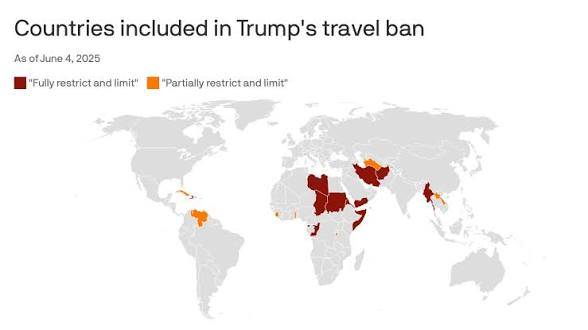
Countries facing full bans
- Syria
- South Sudan
- Mali
- Burkina Faso
- Niger
Citizens from these countries cannot enter the United States under most visa categories, including tourist, student, and employment visas.
Countries facing partial restrictions
Several other countries face limits on specific visa types, such as visitor or work visas. The administration plans to release the full list before the policy takes effect.
Officials say restrictions may change if countries improve cooperation with U.S. agencies.
Visa rules and entry limits explained
Trump expands travel ban by tightening both immigrant and nonimmigrant visa pathways. The updated policy affects:
- B-1 and B-2 visitor visas
- Some student and exchange visas
- Certain employment-based entry programs
Airlines, consulates, and immigration attorneys must adjust processes before January 2026. Travelers should check visa eligibility well in advance to avoid delays.
For general U.S. visa guidance, readers can review official resources from the U.S. Department of State at https://travel.state.gov.
Palestinian travel documents and policy impact
A major change comes from the rejection of travel documents issued by the Palestinian Authority. Trump expands travel ban rules by blocking entry under those documents due to verification concerns.
Human rights groups warn that this decision limits access to education, medical treatment, and family reunification. The administration says it applies the same standards to all issuing authorities.
This aspect of the policy continues to draw global attention and criticism.
National security arguments from the White House
Trump expands travel ban with national security as the central justification. Officials say unreliable identity systems create vulnerabilities in the immigration process.
The administration claims that some governments fail to share timely and accurate criminal data. Officials say the United States expects cooperation and accountability.
Supporters argue that strong vetting protects citizens and legal immigrants alike. They say border security remains a core responsibility of the federal government.
Criticism, legal risks, and political reaction
Civil rights organizations and immigration advocates strongly oppose the decision. They argue that Trump expands travel ban policies that disproportionately affect African and Middle Eastern nations.
Legal experts expect lawsuits similar to earlier challenges during Trump’s previous term. Courts previously reviewed travel bans at the highest level, including the Supreme Court.
Politically, the announcement energizes supporters who favor strict immigration enforcement while fueling criticism from opponents ahead of upcoming election cycles.
What travelers and businesses should do next
Trump expands travel ban rules that impact airlines, universities, employers, and families. Travelers should:
- Review visa status early
- Monitor official announcements
- Consult immigration professionals if needed
Businesses that rely on international talent should reassess hiring timelines and compliance strategies.
For related immigration updates, readers can explore our internal coverage here:
What this travel ban means going forward
Trump expands travel ban in a way that reshapes U.S. immigration and global mobility. The policy signals stricter enforcement, higher compliance demands, and ongoing political debate.
As January 2026 approaches, travelers and organizations must stay informed and prepared. This decision will continue to influence immigration policy, diplomatic relations, and legal battles in the months ahead.
If you want timely updates on U.S. immigration and breaking political news, follow our coverage and subscribe for alerts.