

Rahul Gandhi BMW visit to Munich has triggered a fresh national debate on the state of India’s manufacturing sector. During his guided tour of the BMW factory and BMW Welt, the Congress leader observed Germany’s advanced production systems and warned that India’s manufacturing performance continues to weaken compared to global leaders.
This article explains what Rahul Gandhi saw during the visit, why he said India’s manufacturing is declining, how political leaders reacted, and what lessons India can draw from Germany’s industrial mode.

Why Rahul Gandhi chose BMW in Munich
The Rahul Gandhi BMW visit formed part of his Germany trip focused on understanding global manufacturing systems. BMW stands among the world’s most advanced automobile manufacturers, known for automation, precision engineering, and skilled workforce integration.
By choosing BMW, Rahul Gandhi aimed to study how a strong manufacturing ecosystem supports jobs, exports, and innovation. Germany relies heavily on manufacturing to sustain economic growth, which makes BMW a powerful example for comparison with India.
What Rahul Gandhi saw inside the BMW factory
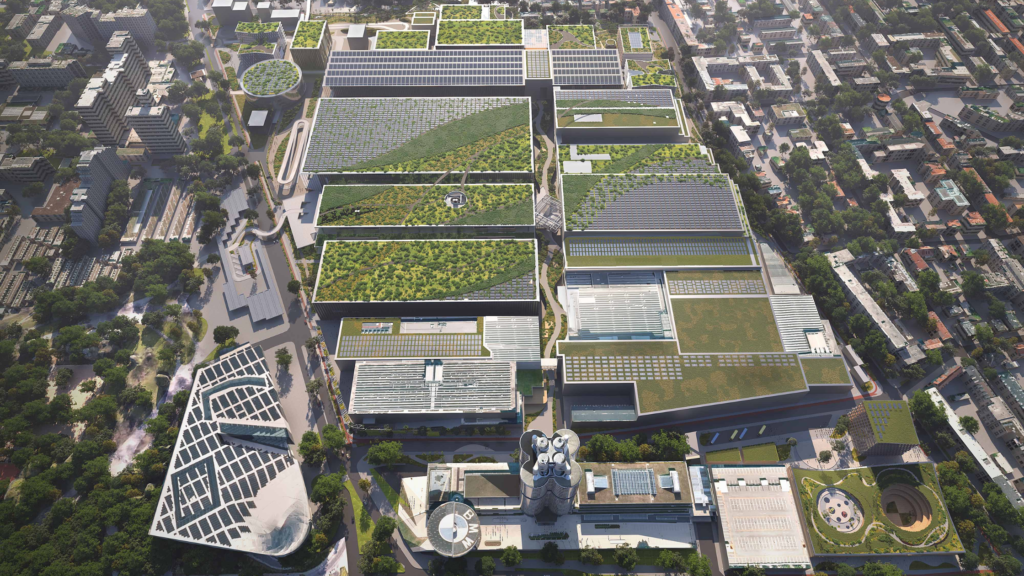
During the guided tour, Rahul Gandhi watched robotic arms assemble vehicles with high precision. Engineers monitored production through digital dashboards, while skilled workers handled complex tasks that machines could not perform.
The BMW plant showcased:
- Automated assembly lines
- Strong coordination between engineers and workers
- Digital logistics and real-time quality checks
- Long-term investment in worker training
The Rahul Gandhi BMW visit highlighted how technology and human skills work together to deliver efficiency and consistency at scale.
Rahul Gandhi BMW visit and the manufacturing decline remark
The Rahul Gandhi BMW visit gained widespread attention after he stated that “our manufacturing is declining” in India. He compared Germany’s production strength with India’s struggle to build large-scale manufacturing ecosystems.
Rahul Gandhi stressed that manufacturing creates stable jobs and supports economic independence. He warned that India risks falling behind if it fails to invest in factories, skills, and innovation.
His statement resonated with many observers who track manufacturing output, employment trends, and export performance.
Why the remark matters
The Rahul Gandhi BMW visit comment matters because manufacturing employs millions and supports allied sectors like logistics, raw materials, and services. Weak manufacturing growth can limit job creation, especially for young workers entering the labor force.
Lessons from Germany’s manufacturing model
The Rahul Gandhi BMW visit underlined several lessons India can learn from Germany.
1. Long-term industrial vision
German companies plan decades ahead. They invest consistently in factories, research, and training instead of chasing short-term gains.
2. Skilled workforce focus
Germany emphasizes vocational education and apprenticeships. BMW trains workers continuously to keep pace with new technology.
3. Strong industry-government coordination
German manufacturers work closely with policymakers, universities, and suppliers. This coordination improves productivity and innovation.
Rahul Gandhi pointed out that India needs similar alignment to strengthen its manufacturing base.
Political reactions in India
The Rahul Gandhi BMW visit sparked sharp political reactions. Supporters said his remarks reflect real challenges faced by Indian industry. Critics accused him of portraying India negatively on foreign soil.
Several economists noted that India’s manufacturing share of GDP remains lower than that of China, Germany, and other industrial economies. Others highlighted government initiatives like Make in India and Production Linked Incentive schemes as steps in the right direction.
Impact on India’s industrial and jobs policy
The Rahul Gandhi BMW visit reignited discussion on employment generation. Manufacturing offers large-scale job opportunities for semi-skilled and skilled workers. Weak industrial growth can push more workers into informal or low-paying sectors.
Analysts argue that India must:
- Improve industrial infrastructure
- Reduce compliance complexity
- Support small and medium manufacturers
- Expand skill development programs
According to global manufacturing data from the World Economic Forum, countries with strong manufacturing bases show higher productivity and export resilience. You can review global manufacturing trends here: https://www.weforum.org
What India must do next
The Rahul Gandhi BMW visit sends a clear message about urgency. India must act quickly to remain competitive in global manufacturing.
Experts recommend:
- Investing in advanced manufacturing technology
- Strengthening vocational education
- Encouraging global partnerships
- Creating stable and predictable industrial policies
Germany’s success shows that manufacturing strength does not happen overnight. It grows through consistent investment and policy clarity.
Why the Rahul Gandhi BMW visit matters
The Rahul Gandhi BMW visit has gone beyond a factory tour and turned into a national conversation about India’s industrial future. His remarks on manufacturing decline highlight real concerns about jobs, competitiveness, and economic resilience.
Whether one agrees with his views or not, the visit reinforces one reality. India’s growth story depends heavily on manufacturing strength. Policymakers, industry leaders, and educators must work together to ensure India does not miss this opportunity.
Stay tuned for more breaking updates on Indian politics, economy, and global affairs.